Tag Archives: a family afloat

Los Mangles, La Ramada and San Juanico (June 7th-10th)

Moving fast: We didn’t stay long at Isla Coronado.  In part, because of the cold water and already spending time there last year, but also because I was on a time schedule to get to Santa Rosalia to put myself on a bus. On June 22nd I had to go the U.S to work a travel nursing assignment and to fly Ellamae to her biological father for the summer. We wanted to get to some areas we hadn’t seen yet before the two of us left the boat life. Sound confusing? It takes a bit of extra planning, but we always seem to make it work.

June 7th: We waiting for the wind to fill in around noon again and we sailed from Isla Coronado to Los Mangles 26.279549, -111.389591. Los Mangles seemed to be a hard name to remember so we nick named it “Muggles” after Harry Potter.  Another flat night on the hook.

The next morning we went to explore ashore. There was an abandoned hotel there that we roamed around, then we went for a hike along the road and arroyo up the hillside to get some exercise and a view.  Along the arroyo we found an abundance of “snails door” shells. It was hard to keep everyone from collecting huge amounts.

That same afternoon on the 8th, we pulled up anchor and set sail northbound. We had a lovely downwind sail to La Ramada, 26.381940, -111.430564 .
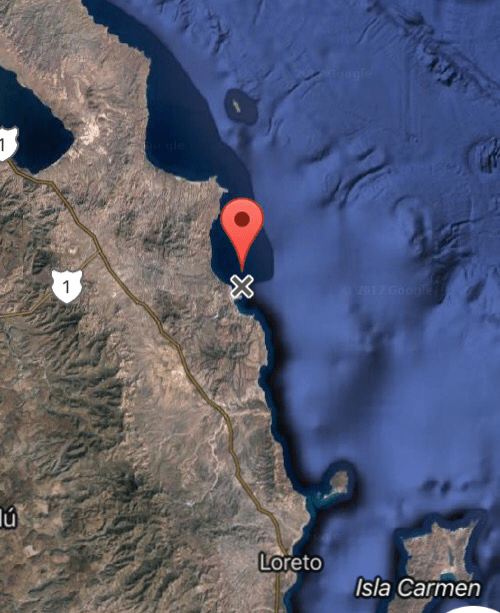
Originally we were going to anchor in San Juanico, the bay just to the south of the point, but it appeared to be too exposed to the more predominant southwesterly winds. La Ramada offers better protection from the prevailing winds, but only fits about 5 boats comfortably. There were 2  already anchored in the cove when we arrived, but plenty of room for Easy and Shawnigan. As per routine, we set the anchor and hopped in the water to dive on it to check that it grabbed. We have never found a time when it didn’t grab, thank you Mantus Anchors, but it’s a good habit to get into.

Unfortunately the water was still chilly and green with visibility of 8 feet again.  Once we got below 8 feet, it opened up a bit, but it also got colder. We pulled out our thicker 5/4 wetsuits and more weights to try our luck at spearfishing. We got skunked.

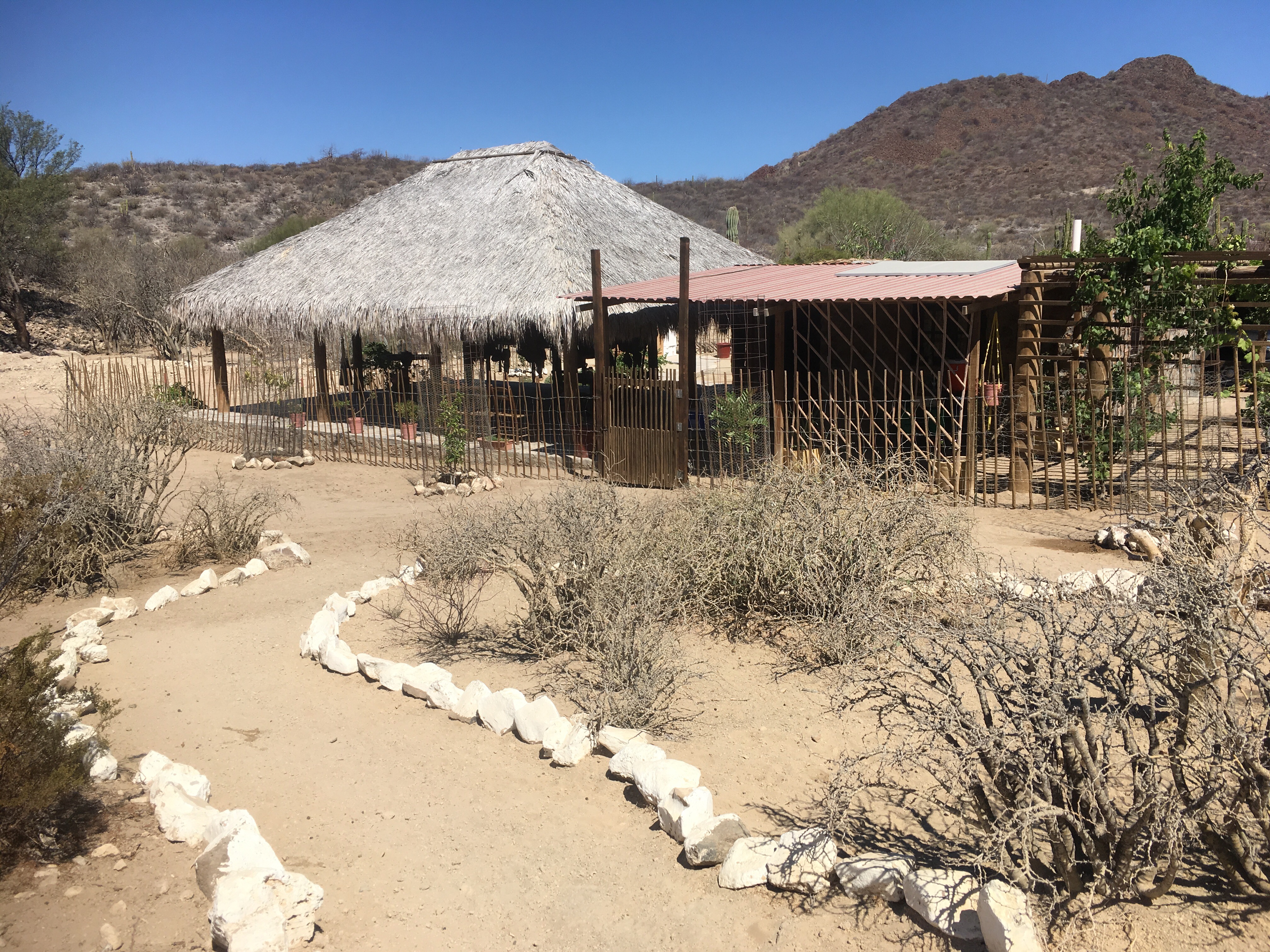
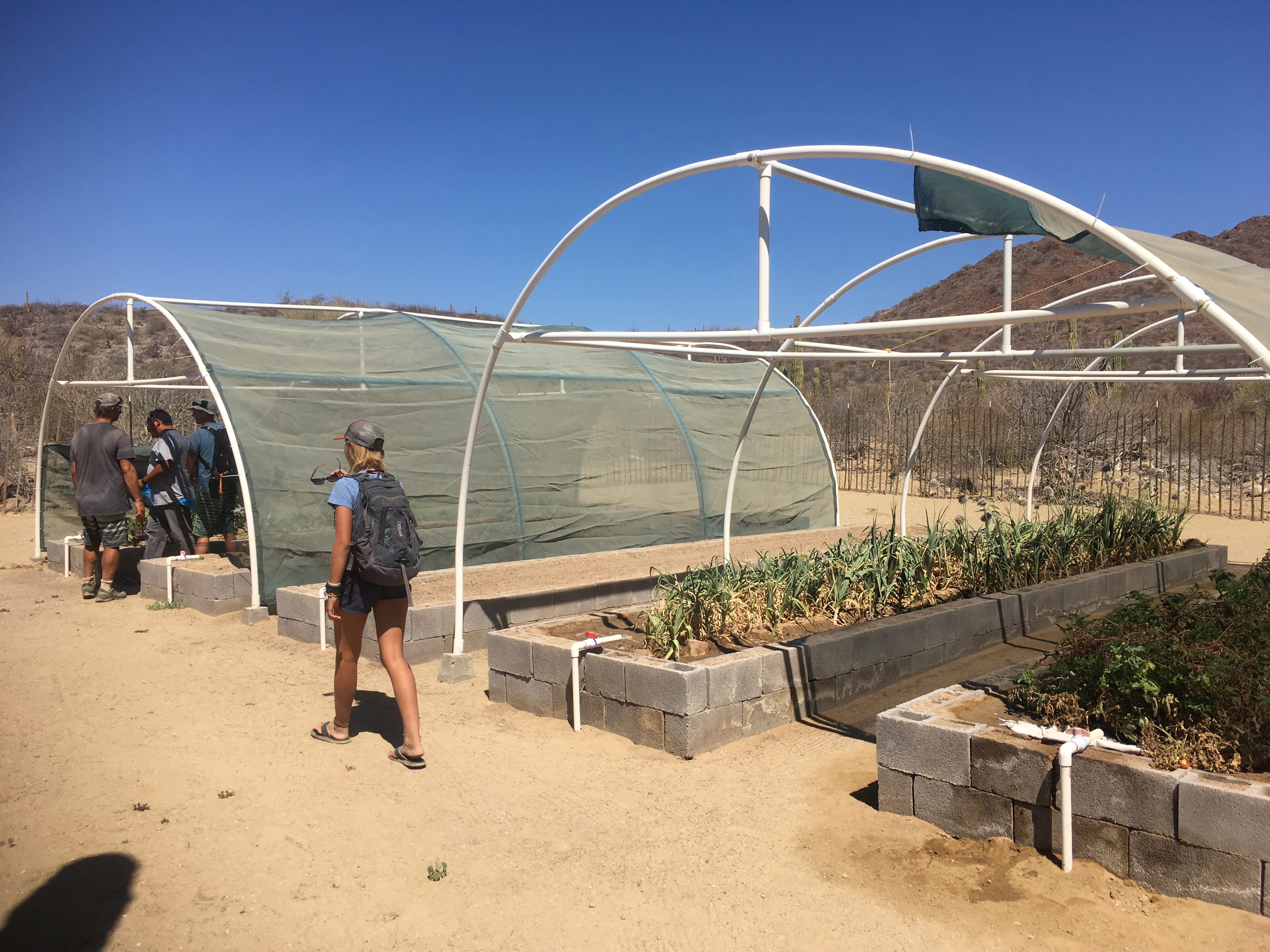
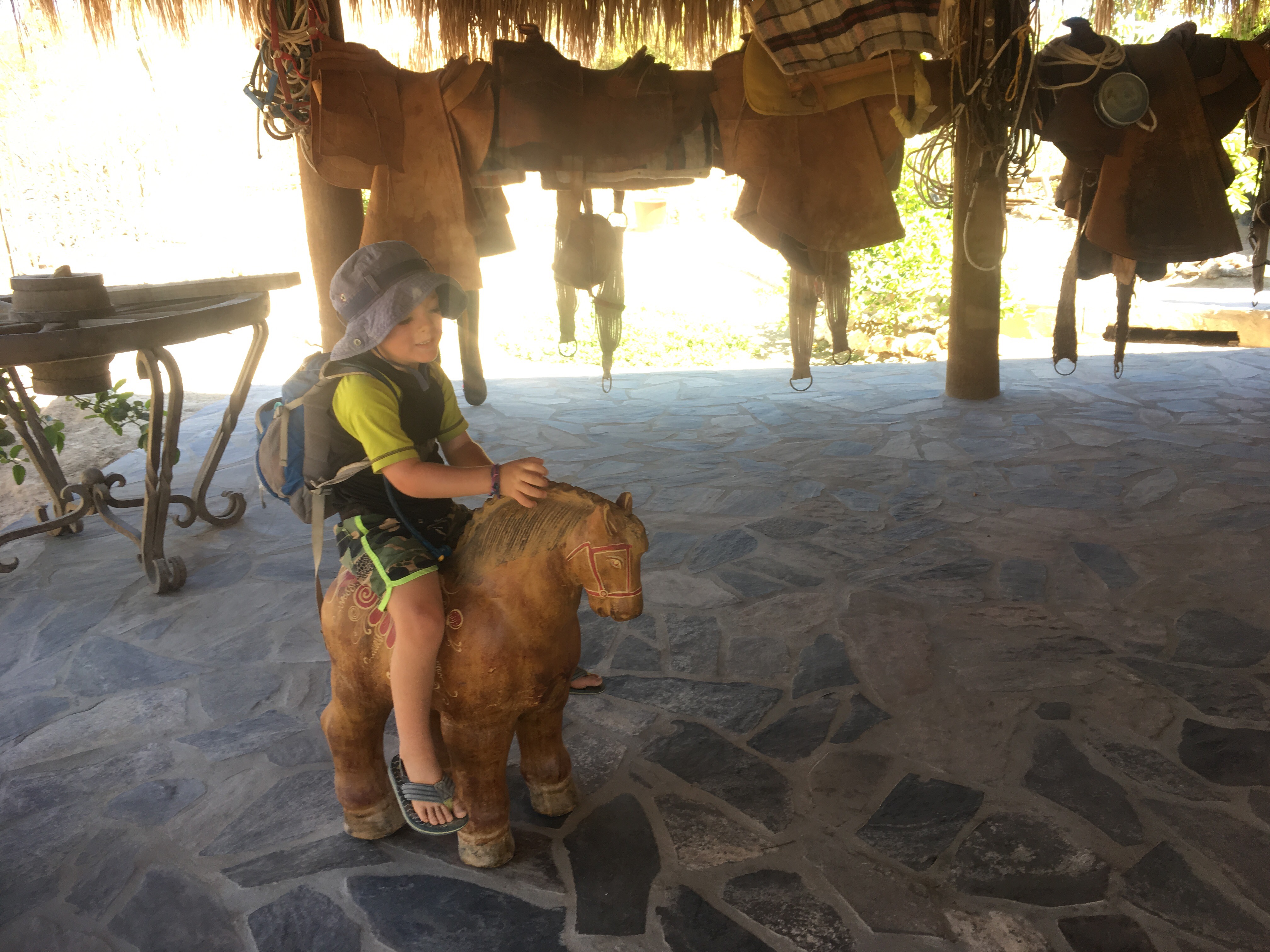
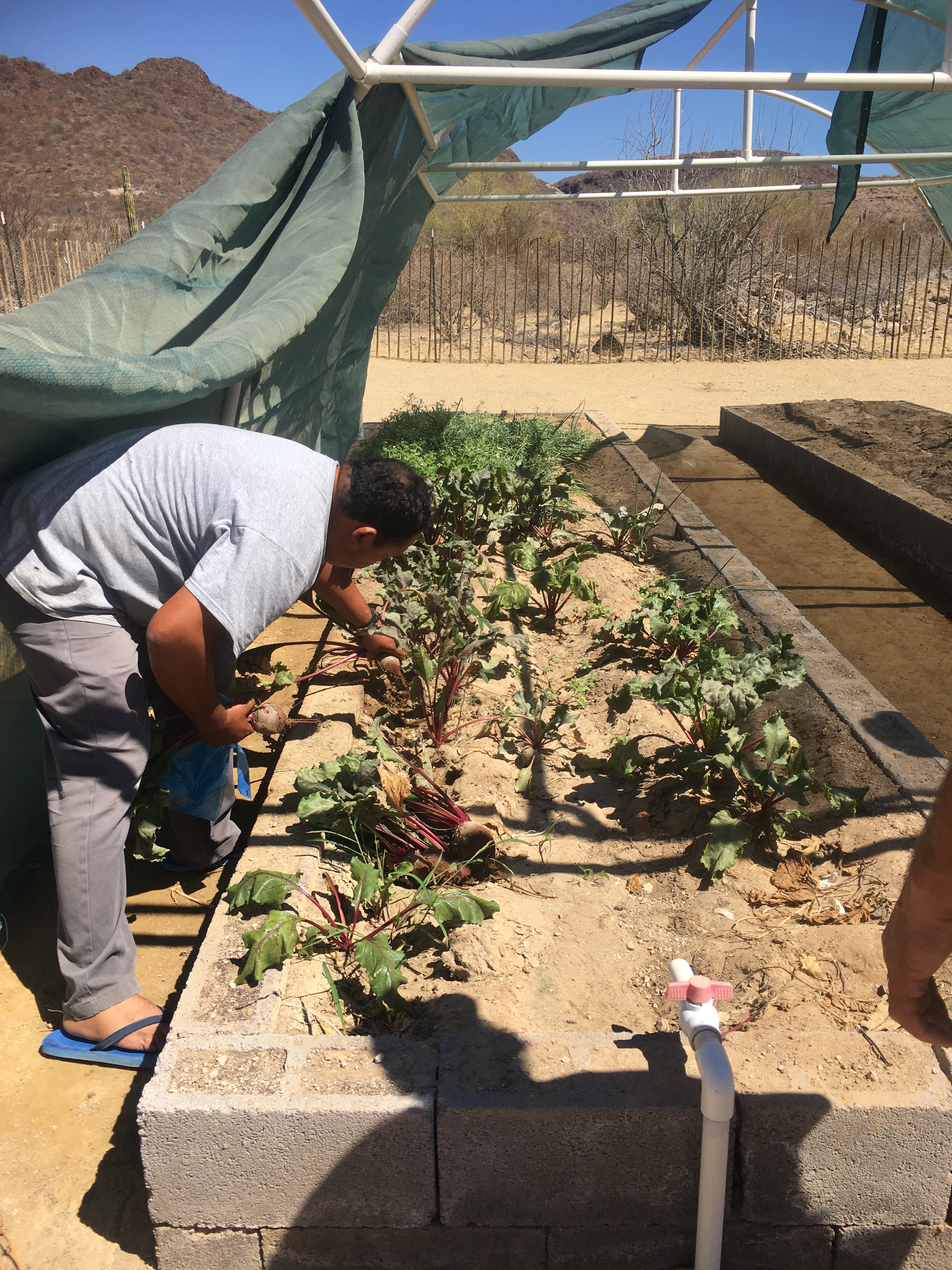
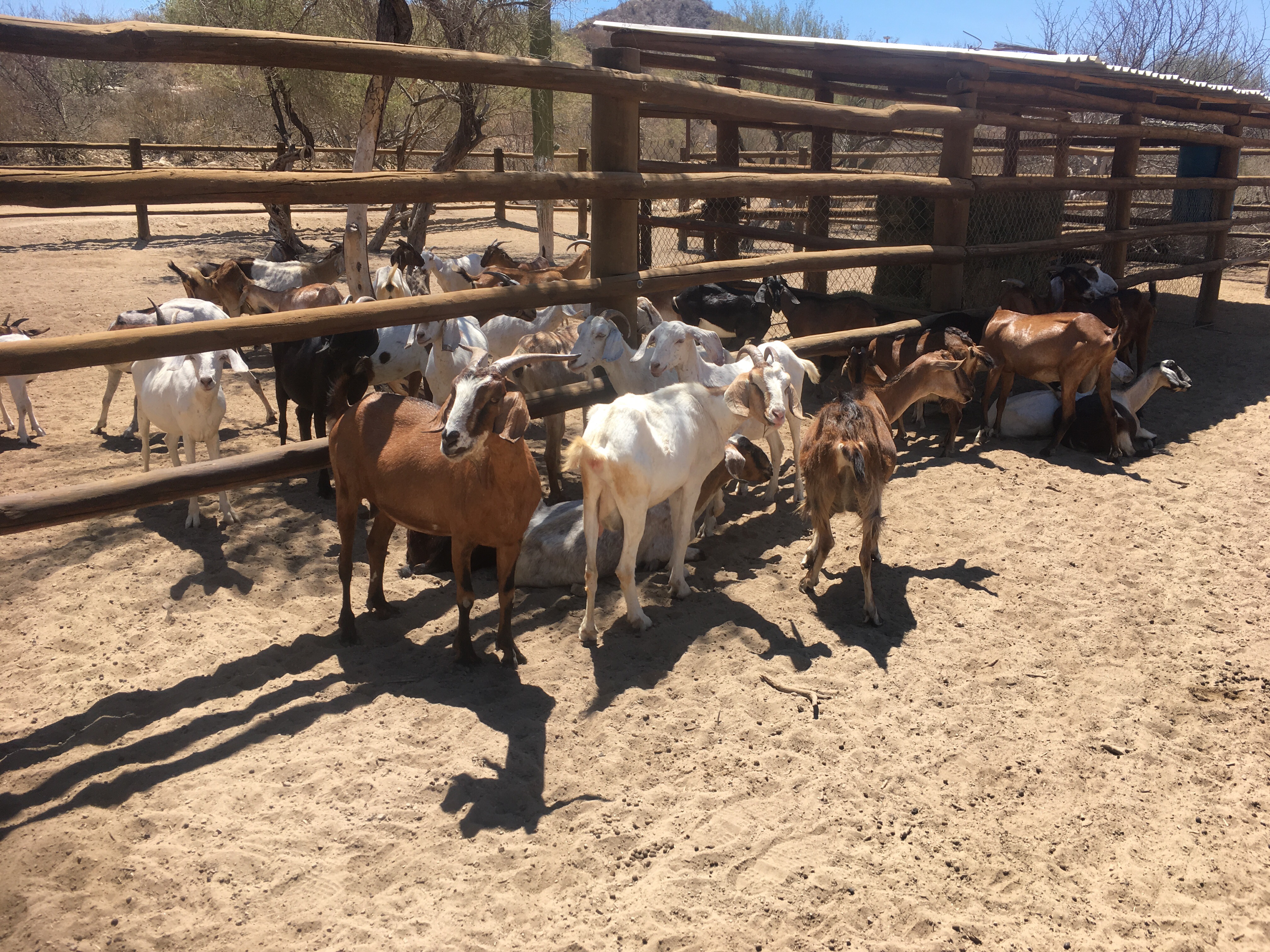
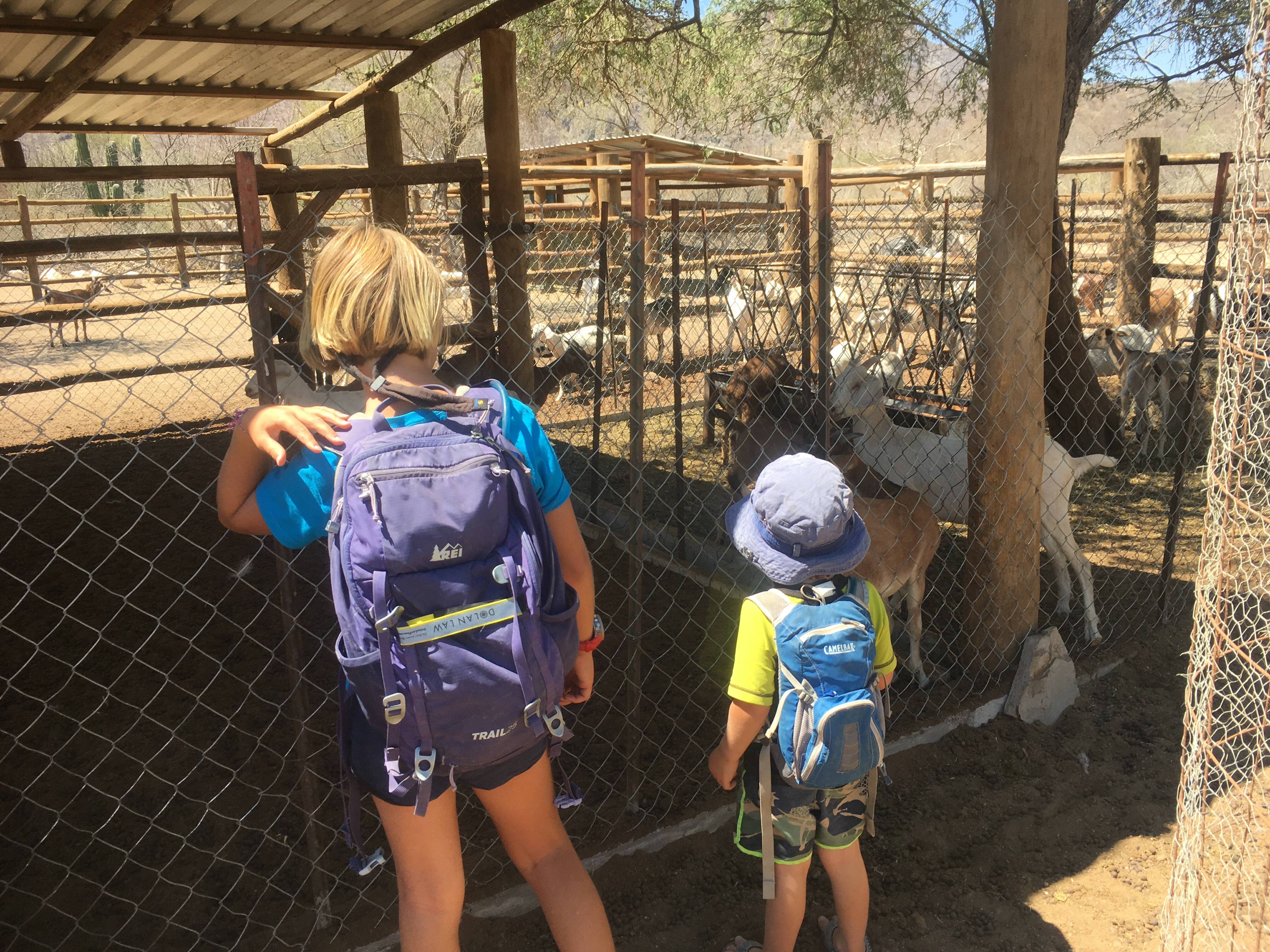
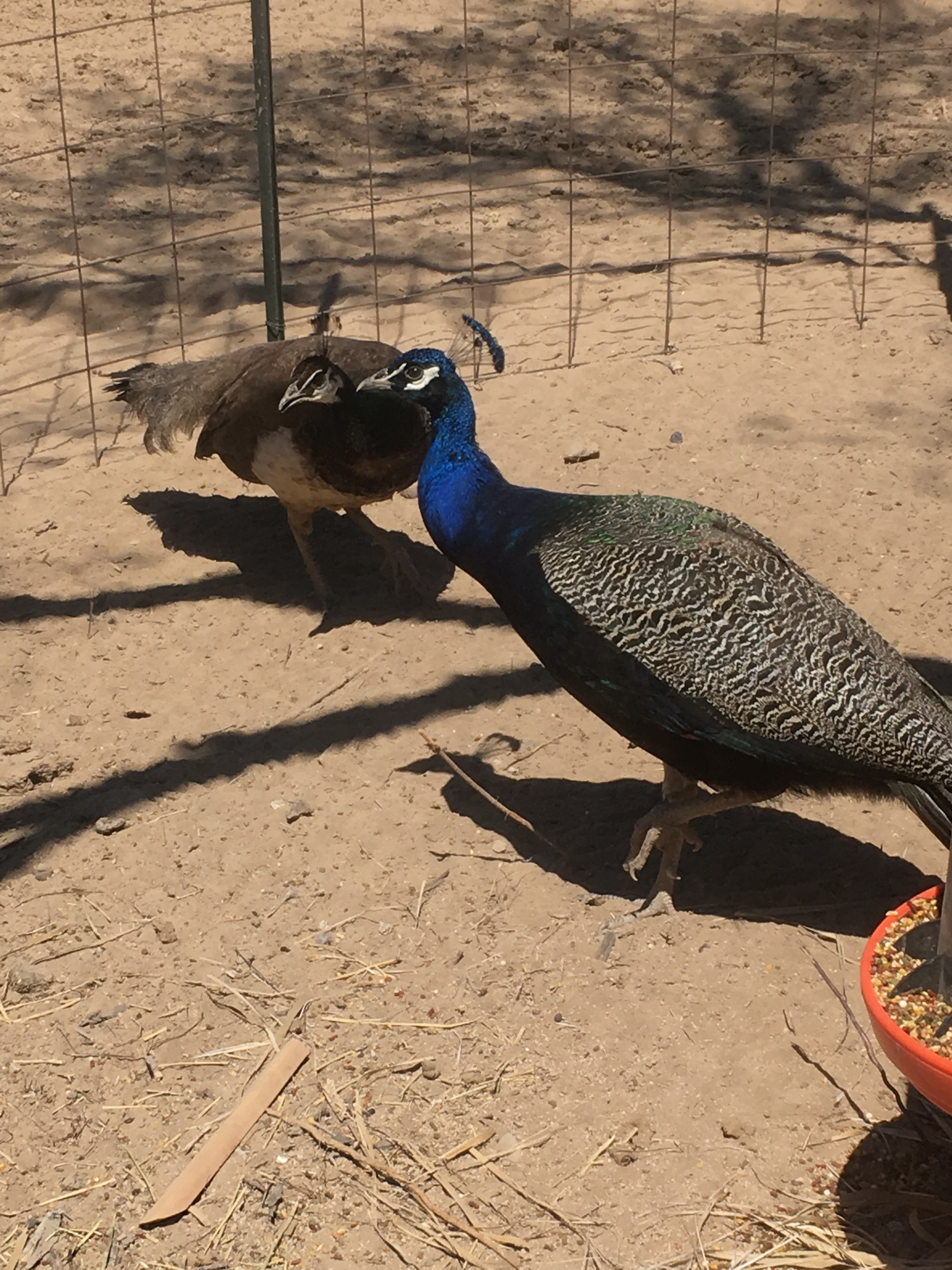
The next day we ventured to a local farm that we heard about from one of the other boats that was already anchored there. With directions like “take the right fork on the road and stay right, eventually you will see it just off the road”, we found it and we are glad we did! The farm had fresh organic goat cheese, beets, onions and eggs! The landscape of the farm itself was worth hiking to see.

If you are planning to go to the farm at La Ramada/San Juanico you can take a peek at the location here: 26.3691834,-111.4442969

Jose

On our way back from stocking up at the farm, we stopped by the “cruisers shrine” on the San Juanico side. S/v Trovita was there, anchored all pretty by herself.S/V Trovita tucked in a sweet spot protected from the wind and swell.
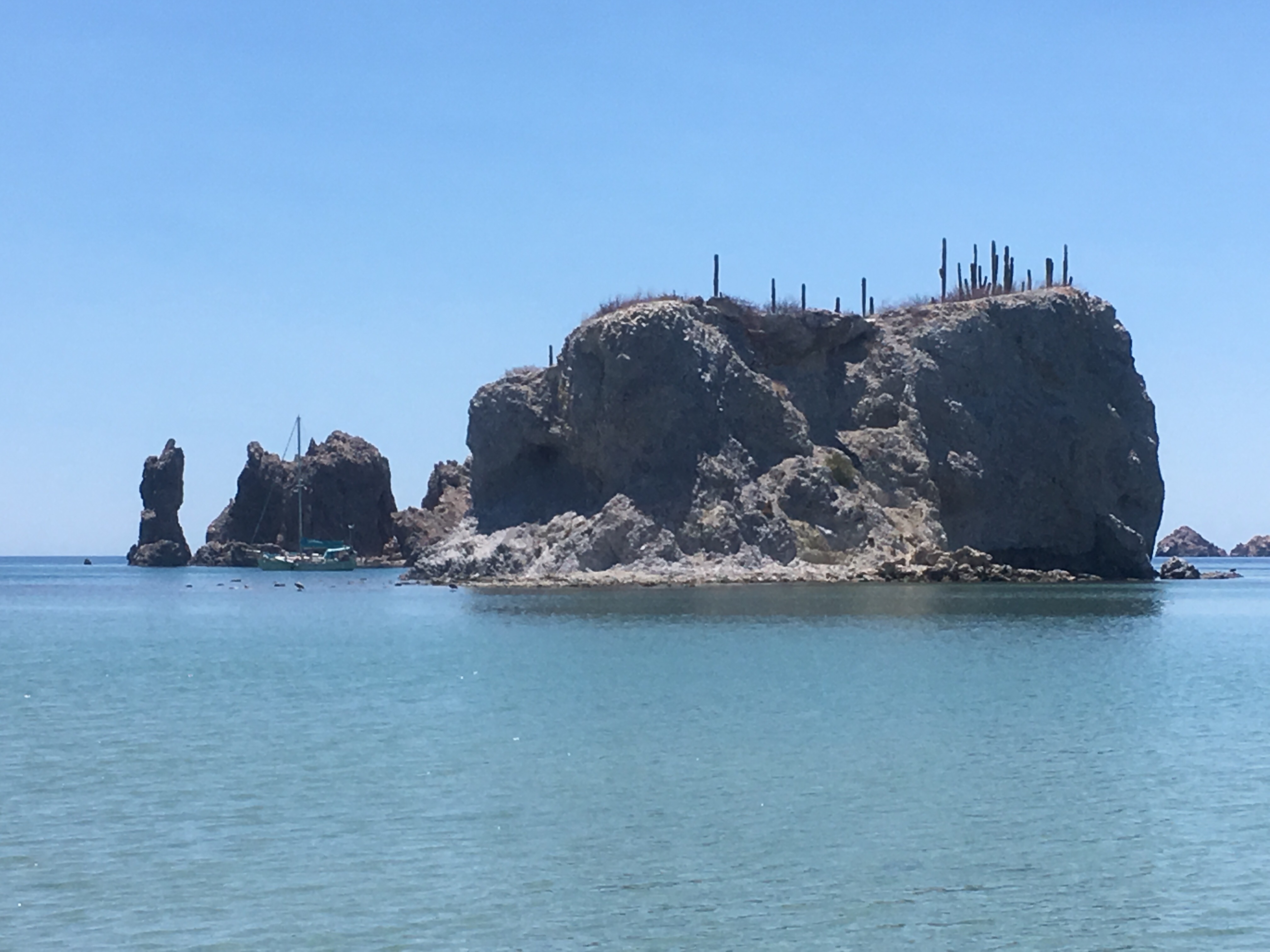
We ate fresh raw goat cheese and looked through most of the other Cruiser’s additions to the shrine. We forgot to bring markers or any memento to leave there this time around.

The next morning, Taj wanted to kayak to shore and fish. He saw a family out there fishing and made his way over to them. We quickly realized that it was Jose and his family. Taj came home a few hours later with 2 good sized trigger fish. He said that he caught them, but we’re pretty sure Jose gave them to him to give to us.

Later on that evening, S/V Trovita contacted us on the VHF radio stating that S/V Kenta Anae was looking for us. Sure enough, they showed up just before sunset! You may recall us mentioning Kenta Anae from previous posts. They are cruising friends who we met and spent a fair amount of time with in the la Cruz/Puerto Vallarta area. We were happy to see them and happy to have boat kids around!!Merle, Matero and Taj heading out fishing. S/V Easy (left) and S/B Kenta Anae (right) at La Ramada anchorage.
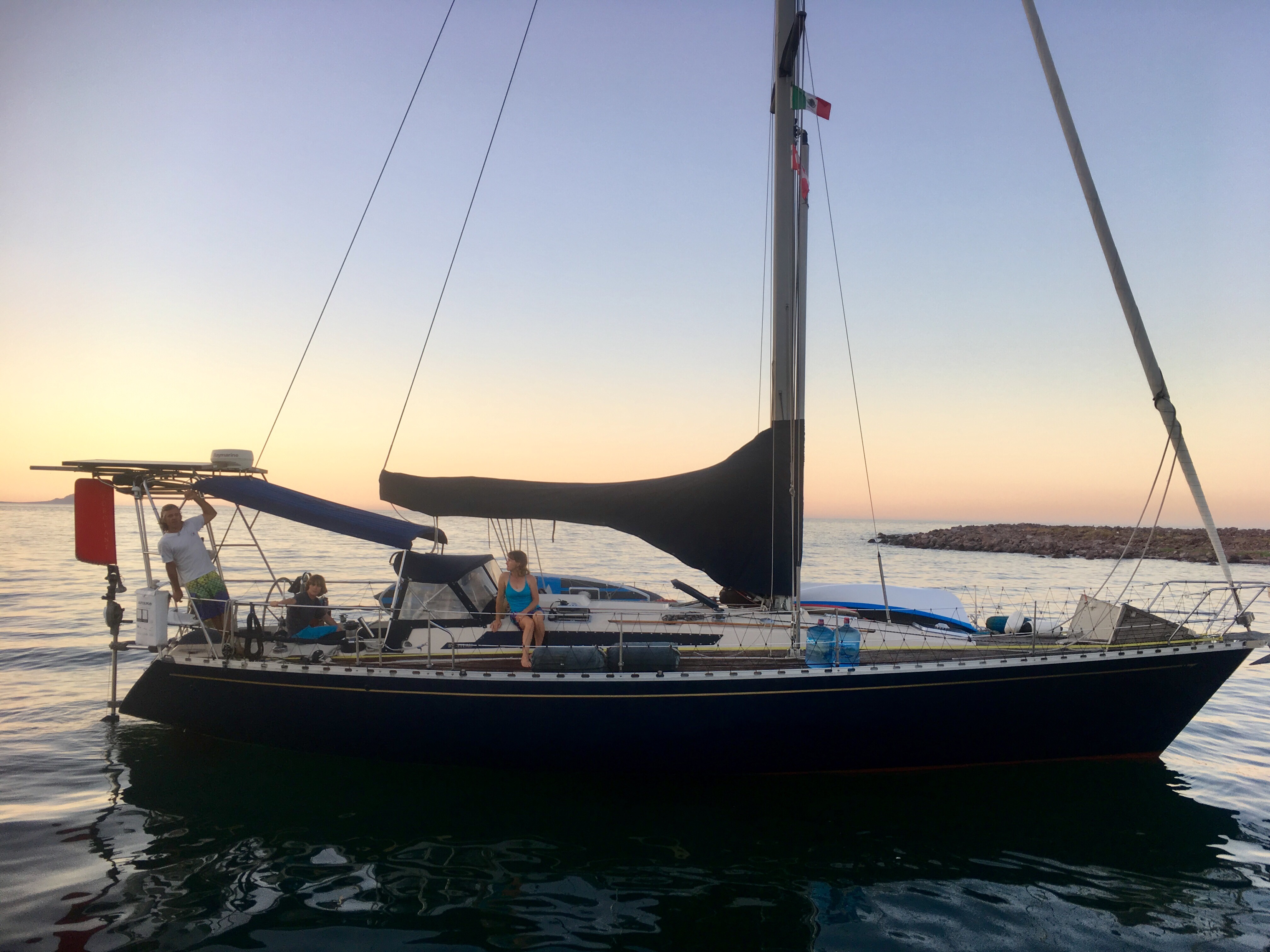
After Taj’s fishing trip with Merle, the three of us (Easy, Kenta Anae, and Shawnigan) departed for Punta San Antonio.

Donation

Feeling tipsy? Give us tips and write us some tips (comments) too.

$10.00

Northbound from Loreto: Isla Coronado (June 5th-6th)

Northbound from Loreto: Isla Coronado (June 5th-6th) still catching up on posts.

Isla Coronado is an uninhabited island about 8 miles northeast of Loreto. It’s one of the more commonly visited tourist sites for a quick island snorkel, swim with sea lions, picnic on the beach, or a hike up the 948 foot extinct volcano. We made this stop last year, climbing to the top, swimming and having impromptu cookie potluck on the beach with other cruisers. This year, we were hoping for another swim, this time with sea lions and possibly hiking to the top again.

From Loreto, we waited for the wind to pick up enough to sail off the hook. At about noon, on the 5th, we were able to sail off. Mike on S/V Easy continued to buddy boat with us. A few hour sail in mostly and no more than 20 feet of water, we turned over the engine for just enough power to get us in the protective cove and set our anchor @ 26.108002, -111.284458. When we arrived, we hopped in the water to clean the bottom of our boat and to check that our anchor set well. The water was green and chilly. Visibility was less than 10 feet, if even that. Dinner approached quickly and the day had passed.

On the 6th, our one full day there, was determined by the water quality. To swim with the sea lions or hike to the top of the volcano? We were guessing that swimming with the sea lions was not going to happen with the poor water quality and sure enough, when we woke up, not much had changed.  After visiting our anchorage neighbors on S/V Tigress II and convincing them to hike with us, we heading to shore and set out for our hike. Mike joined us as well.S/v Tigress II

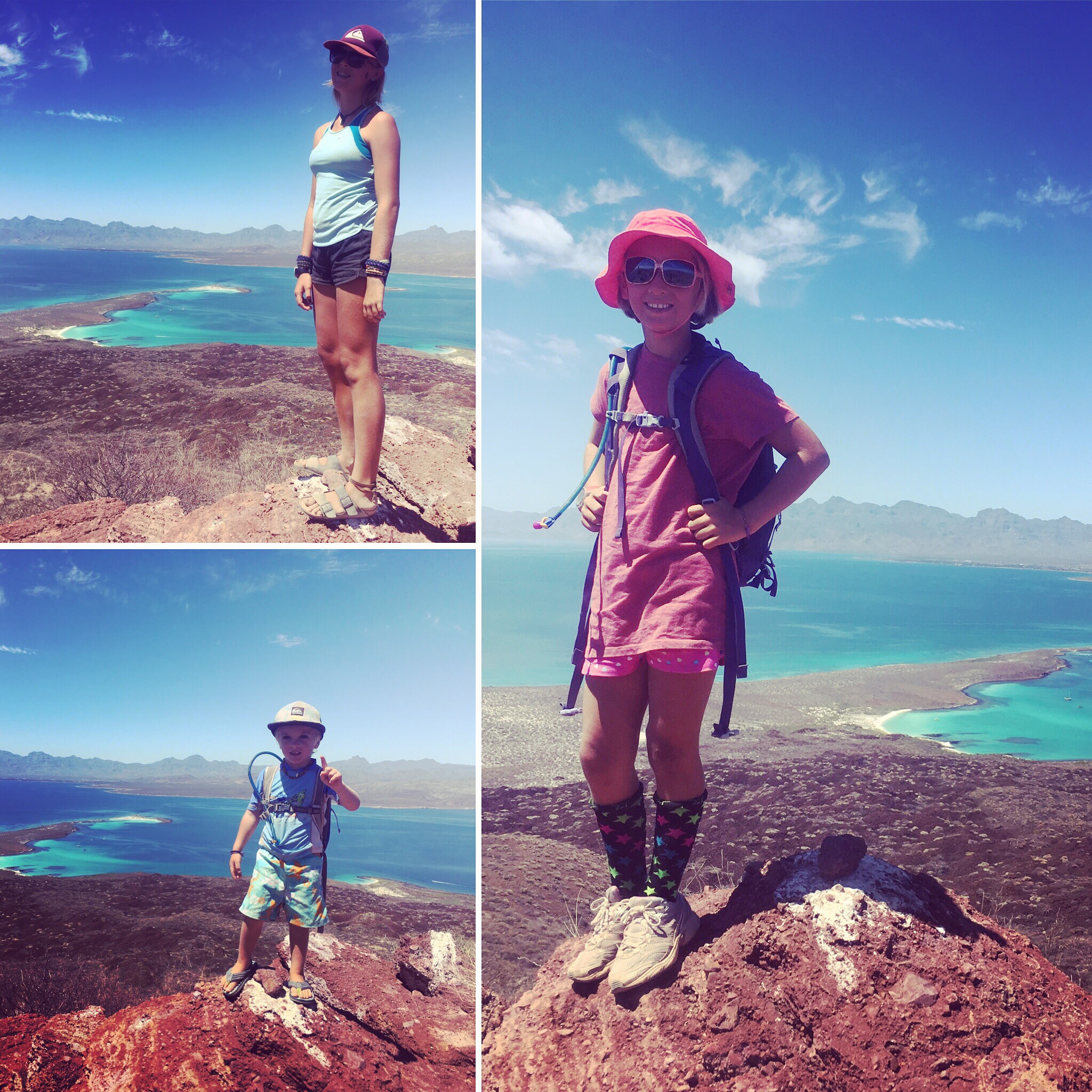
Although not a far hike, the terrain makes it a more difficult one. The path is clear for the first 1/2 mile or so, then it turns into lava fields of small rocks with cairns marking the way. The last 1/4 mile the path takes you up a steep sandy slog up the mountainside. Taj got a free ride on Christian’s shoulders for the rocky part, but he climbed the steep slog to the top by himself. Ellamae managed to keep up with me the whole way, and Nina stayed back with Christian and Taj, but had no problem making it to the top. Looking down at the anchorage from the top of the Volcano.

Mike Jacoby taking in the view.

The whole clan resting, eating and re-hydrating at the top.

Going down the slog made it all worth it! It was like feet skiing, but on sand. The kids loved it. OH, and there are 16 different reptiles on the island, so keep your eyes peeled!

The reward waiting for us when we returned to our dinghies on the beach was a dip in that cold water. Nothing felt more satisfying after that strenuous hike on a hot day over that hot dry rocky terrain.
There were a few other boats in the anchorage, so we decided to organize another potluck on the beach. This time with real food instead of cookies. We had a turn out of 5 different boats for dinner that night. We even lucked out, one of the boats had kids! Roll call: S/V Shawnigan, S/V Easy, S/V Dad’s Dream, S/V Tigress II, S/V ____? (Sorry, I forgot the boat name! If you’re reading this , comment with your boat name 🙂 )

Isla Coronado is one of our many favorite anchorages in Mexico. To visit here from land based travels, click here!

Next northbound stop: 26.277602, -111.394997

Support our Cruising Kitty, buy us a dinner out!

Feeling like helping fund our travels? Here’s how you can help! Donate here now and whenever you’re feeling extra generous.

$10.00

Loreto: an Eco Tourism Mecca

There is so much to see in Loreto ! Where to begin?!

Loreto is a small town with about 15,000 people, 2/3 rds the way down Baja on the Sea of Cortez (Gulf of California) side. As the starting point for the California Mission movement, the town offers a lot of rich history and sightseeing opportunities. In the last 15 years+, Loreto has become a mecca for its Eco-Tourism.  The Sea of Cortez and the desert of Baja can be described as a melting pot of marine life and a rich desert ecosystem.  There are flora and fauna here that can not be found in many other places. The eco-tourism offers ways to see these spectacular sights with minimal to no impact on their ecosystem. As a family living on a sailboat, we are able to have our own eco-tours on the ocean, but finding land based activities are more of a challenge.  Thanks to our friend, Sara, who helps operate Loreto Sea and Land Tours, we were able to explore a snippet of Loreto’s land based ecosystem and other tourist sites.

Loreto was the first Spanish Colonial settlement of “New Spain” on the Baja. The Jesuit missionaries built the first of the California Missions there, Mision de Nuestra Senora de Loreto Concho,  in 1697. Loreto offered a fresh spring as a perfect resource for the missionaries to build and provide food to offer for the local Cochimi tribe and offer Christianity in return. This was a peaceful movement at the time. In 1769, the quest to explore the northern areas and establish missions along the way started.  As time passed the territories of missions fell in control of the Franciscans and then later, the Dominican order and divided into two regions, Baja California and Alta California. Alta California became the California we know today in the United States. I could go on and on about Loreto’s history, but I wont. If you are feeling the need for more of Loreto’s history click here.

June 4th, 2017:

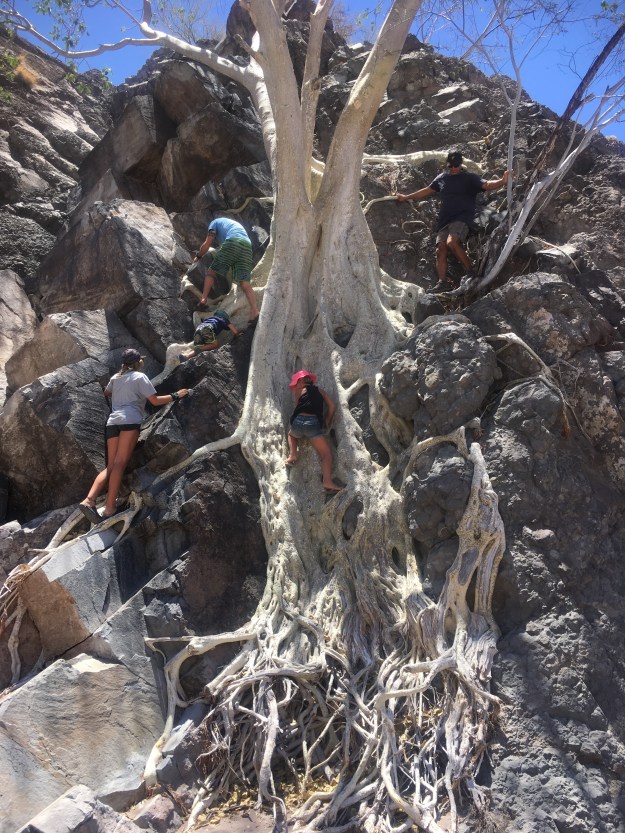
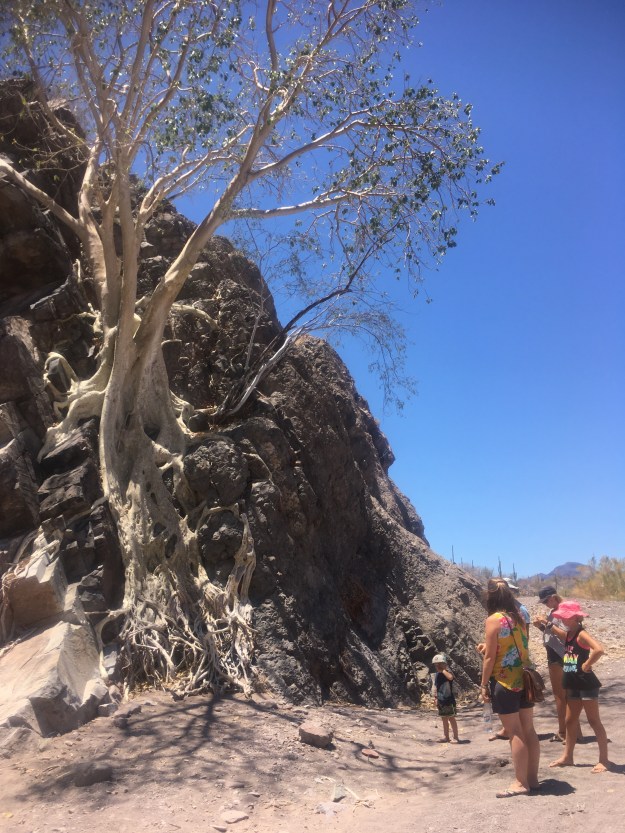
After exploring the town of Loreto, we ventured up into the mountains, named Sierra de la Giganta, to explore the desert and visit San Javier, the second of the California missions. On the way up we stopped to hike to a very old and lonely fig tree growing up a rocky hillside. Of course everybody had the urge to climb it!

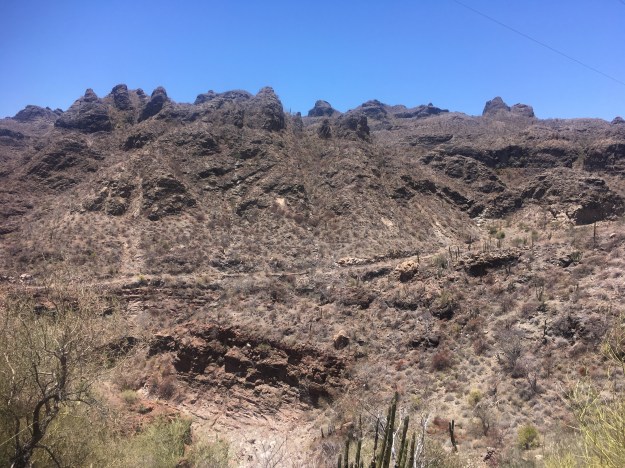
Further up the road we pulled over to get a view of the original “El Camino Real”! We had no idea that the “El Camino Real” in California had originated in Loreto. We saw the first road that brought the missionaries from Loreto up to San Javier and eventually up through modern-day California as the path of the California Missions!

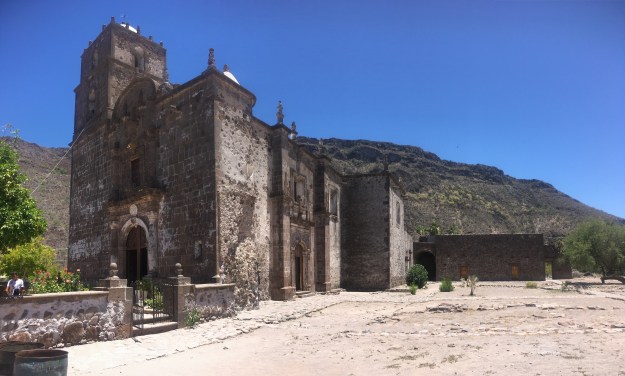
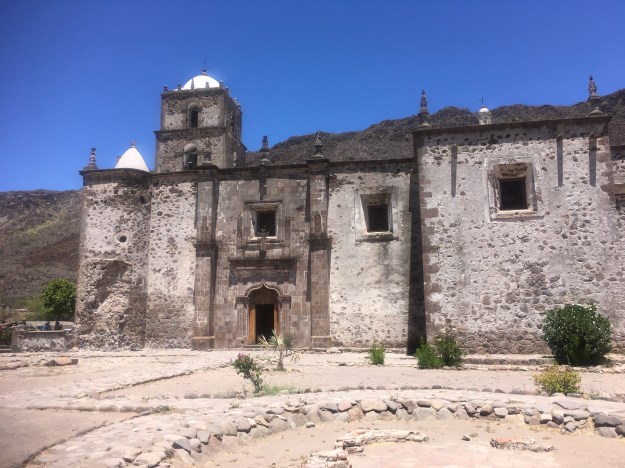
Mision San Francisco Javier de Vigge-Biaundo was founded just 2 years later, in 1699, but took many more years to build. It was fully functioning by 1758. Water was more abundant here than in Loreto and the location was better protected from hurricanes. It was for these reasons that San Javier became the primary mission. The Cochimi tribe was drawn to the church and Christianity for the food and kindness they provided. The mission was successful with its community and agriculture for many years. Unfortunately, European diseases from the Spaniards spread among the tribe, eventually leading to the decimation of the Cochimi. Their culture and language became extinct by the 20th Century.

If you find yourself in Loreto either by boat or land and wanting to see sea life, land life, and culture, we highly suggest using Loreto Land and Sea tours. Not just because they are friends of ours, because they offer a plethora of different ways to explore the area and ways for the sailing community to explore inland history and culture: scuba diving, snorkeling with seals, fishing, hikes and many more options for adventures. Finding someone who can share so much local knowledge is a prized opportunity for our family as well as for many other cruisers.  We get to check off History of California Missions from Ellamae’s  4th grade boat-school curriculum, one year in advance!San Javier Mission (Mision San Francisco Javier de Vigge-Biaundo)Mike, aboard S/V Easy joined us along the tour. Taj can’t resist the temptation to climb another tree.
 

Donation

Feeling tipsy? Give us tips and write us some tips (comments) too.

$10.00